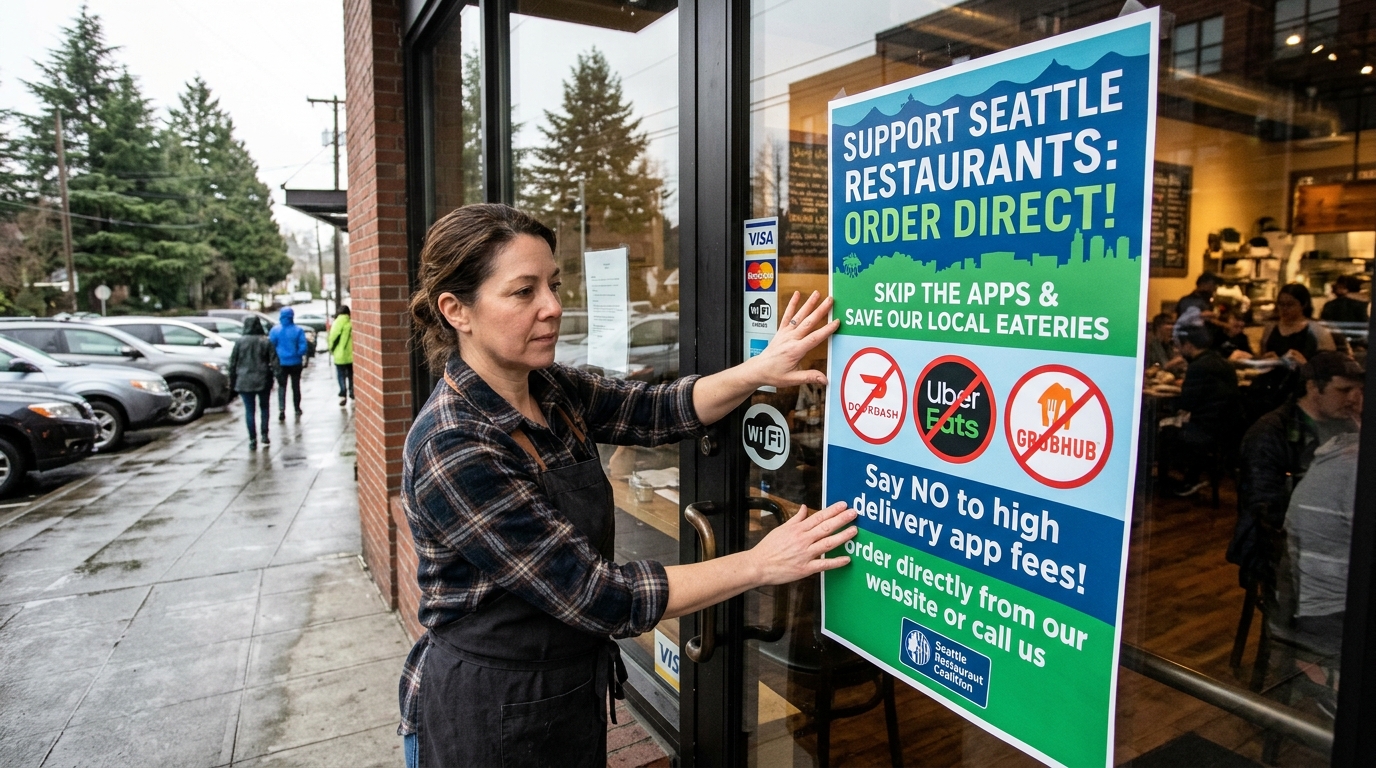
The catalyst for this market shift was the implementation of the 2024 PayUp legislation. This city law mandated higher minimum pay, mandatory sick leave, and job protections for gig workers. In response, market leaders Uber and DoorDash applied a universal $5 surcharge on orders within city limits. While the platforms cited these regulatory changes as the reason for the fee, restaurant operators experienced a clear drop in consumer order volumes due to the inflated checkout totals.
Evaluating a Fixed-Cost Logistics Model
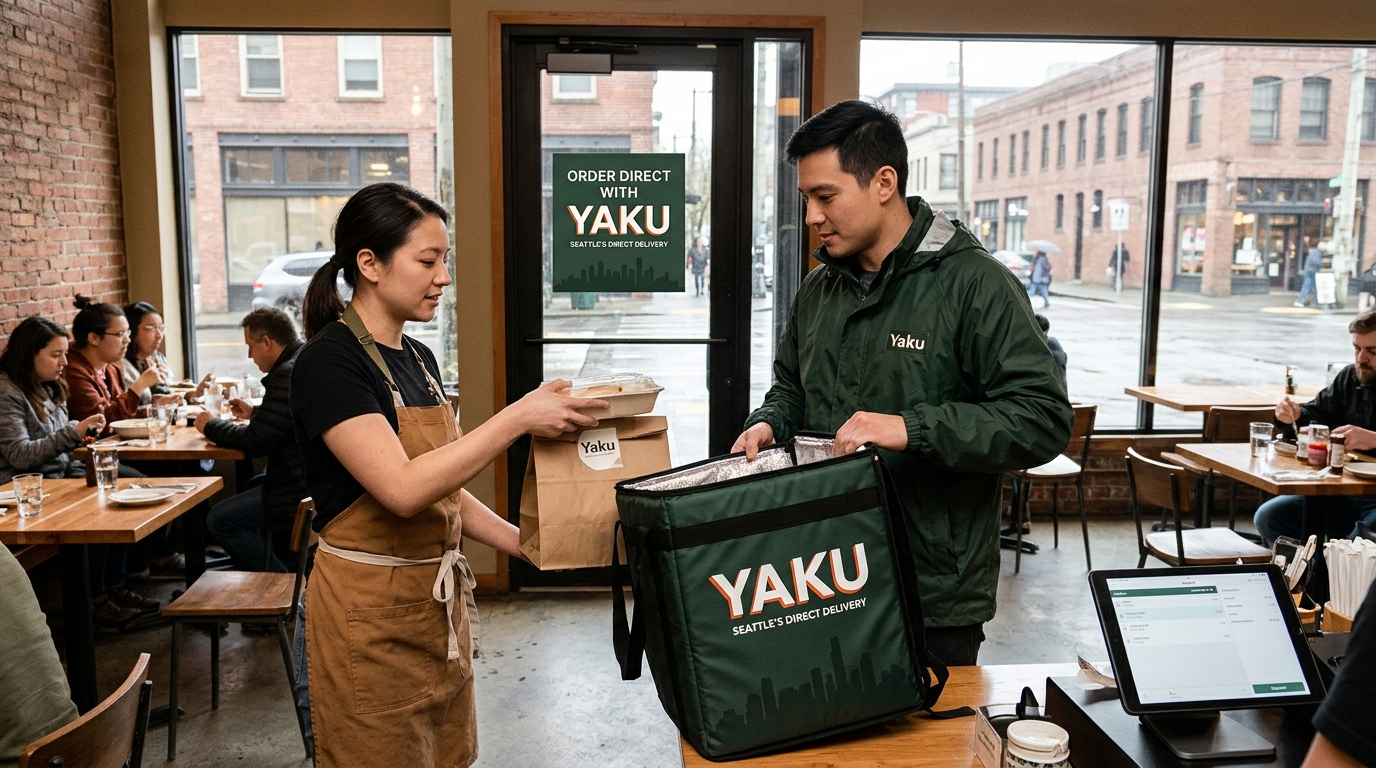
To bypass these complex platform costs, Uttam Mukherjee, co-owner of the Spice Waala chain, partnered with former Amazon employee Tim McConnell. They launched Yaku on October 30. The pilot program operates exclusively in the Ballard neighborhood with five participating restaurants and two employee drivers. Instead of variable commissions and dynamic consumer surcharges, Yaku applies a static $9.99 charge per order. Classifying drivers as W2 employees also allows merchants to communicate directly with the fleet regarding order adjustments or missing items.
Initial basket tests reveal a noticeable price variance between the two logistics models. A sample order from Spice Waala reached $35.36 on DoorDash, even after a standard $1.99 delivery charge was waived. The exact same basket cost $31.50 through Yaku. The startup is now testing whether this flat-rate structure can sustain potential expansion into Capitol Hill. They must also gauge how volume scales without a massive contractor base.
Strategic Implications for Platform Economics
The emergence of fixed-rate alternatives underscores the tension between merchant retention and marketplace margin requirements. Aggregators operating in heavily regulated cities must continuously monitor local competitors and shifting consumer price thresholds. To defend local market share, enterprise teams can use Advertised Fee Breakdown and Structure Analysis to track public delivery charges across markets and optimize their competitive pricing strategy.
Connect with our intelligence team to explore how public fee data can inform your market retention strategy: Contact FoodDataLab.
SourceRestaurants Are Banding Together to Solve the Delivery App Mess - The Stranger (opens in a new tab)