

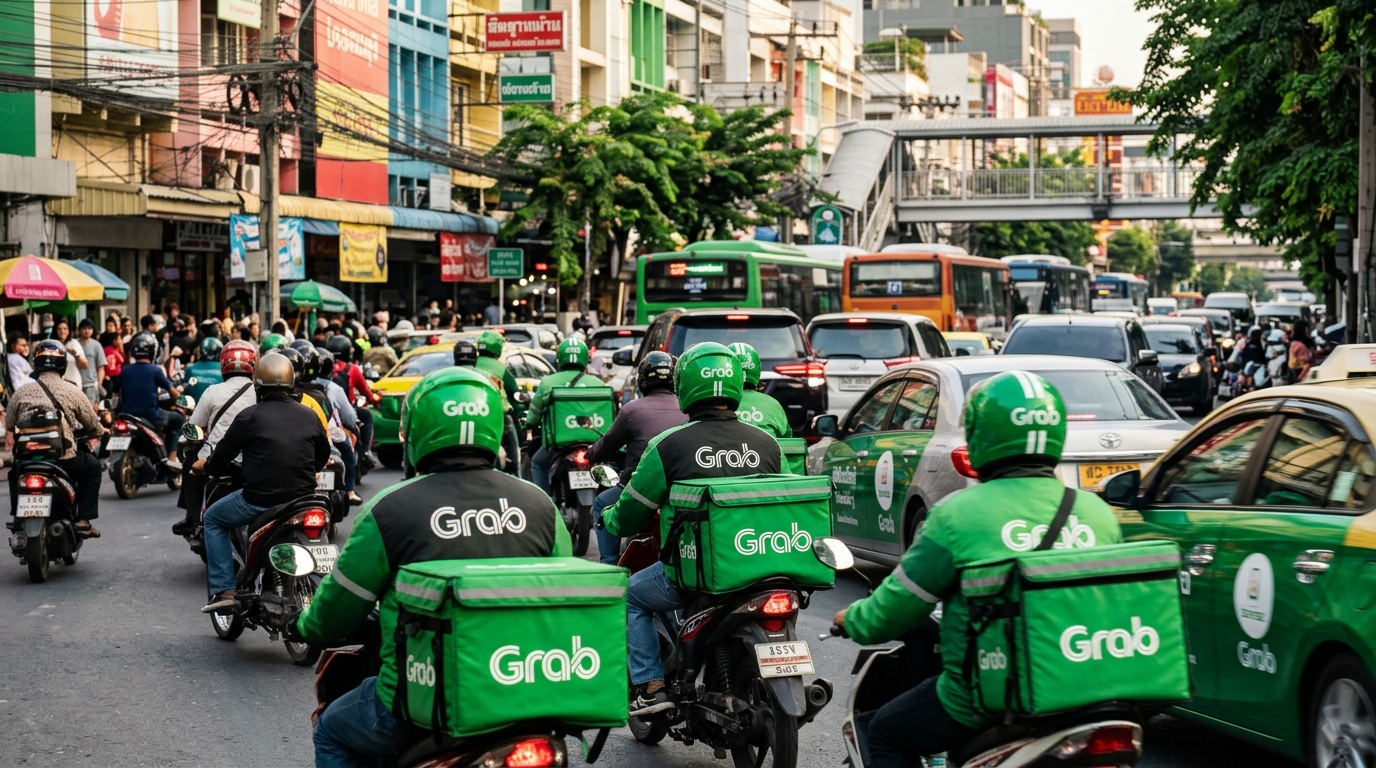
Grab announced higher full-year earnings expectations after surpassing third-quarter estimates. The platform expects robust consumer demand across Southeast Asia to counter regulatory pressures and increasing operational expenses.
Sales for this year are now projected to hit up to $4.2 billion. This represents an increase from the $4.15 billion estimate shared in August. Adjusted earnings before interest, taxes, depreciation and amortization should expand to a maximum of $800 million. During the quarter ending in September, this metric increased by 74%, hitting $237 million. This result comfortably beat the $194.2 million average analyst projection. Quarterly revenue reached $1.1 billion, representing a 27% increase. Investors responded positively, sending the stock up more than 6% in after-hours trading.
Operating a delivery network requires constant adjustment. Fuel costs are increasing across the region, making rides and deliveries more expensive. Platform operators are responding by offering targeted incentives to both drivers and diners. These promotions help maintain order volume but put pressure on already narrow margins. Grab expanded its active user base by three million in the third quarter, reaching a total of 57 million monthly users. The company achieved this by rolling out affordable service tiers alongside premium options, keeping consumers engaged on the application for longer periods.
Market rivalry remains fierce in populous nations like Vietnam and Indonesia. GoTo Group and newer market entrants such as Green & Smart Mobility JSC are fighting for customer loyalty. Additionally, Uber might re-enter the region if its planned purchase of Delivery Hero SE proceeds. Alphabet’s Waymo is also preparing a robotaxi launch in Singapore scheduled for 2028. Before these recent financial results, Grab shares had dropped over 40% in regular trading this year, resulting in a market value of $11.7 billion.
On the regulatory front, Indonesia recently capped commissions for scooter rides and is evaluating similar rules for food delivery before the end of the year. Grab Chief Financial Officer Peter Oey confirmed the enterprise is discussing potential delivery commission limits with the Indonesian government.
While the core delivery business adapts to these changes, the organization is seeking growth elsewhere. The brand acquired a majority stake in Atome Financial for $1.49 billion and purchased US-based Stash Financial for $425 million. However, not all expansion plans succeeded. Taiwan's Fair Trade Commission recently blocked a $600 million deal to acquire the local operations of Foodpanda over antitrust concerns. Oey noted the leadership team remains focused on Southeast Asian opportunities despite this setback.
Tracking Delivery Costs and Platform Dynamics
As delivery networks adjust their promotional strategies and service tiers, monitoring consumer pricing becomes vital. When governments introduce commission caps or fuel costs trigger new driver incentives, these changes directly alter the fees presented to users. Executives need reliable data to understand how regional competitors adjust their pricing structures. Using Advertised Fees Monitoring helps leadership teams track delivery and service costs across major apps. This visibility allows platforms to optimize their own pricing models and maintain competitiveness without sacrificing margins.
If you need actionable visibility into regional delivery economics, reach out to our team via the FoodDataLab contact page.
Source: Singapore's Grab raises sales, earnings forecasts on rising ride demand
