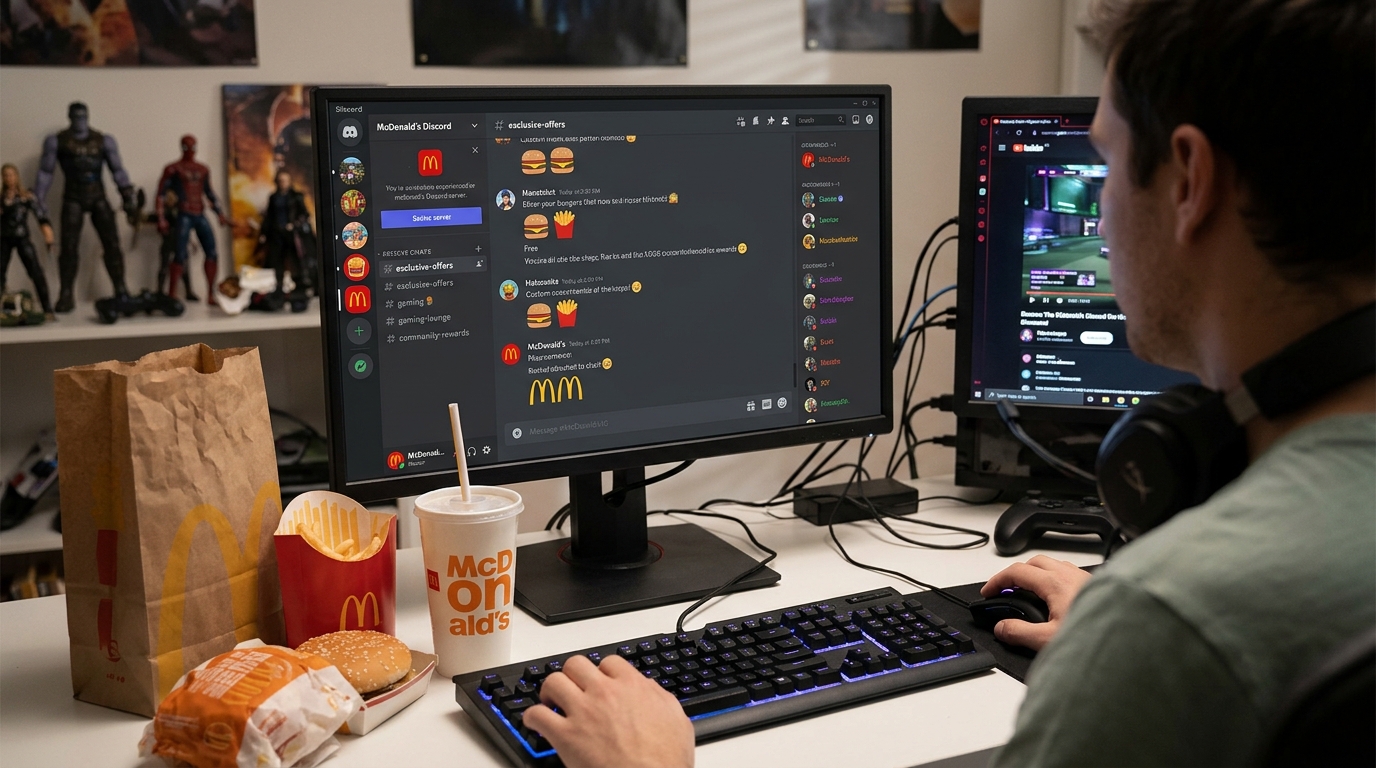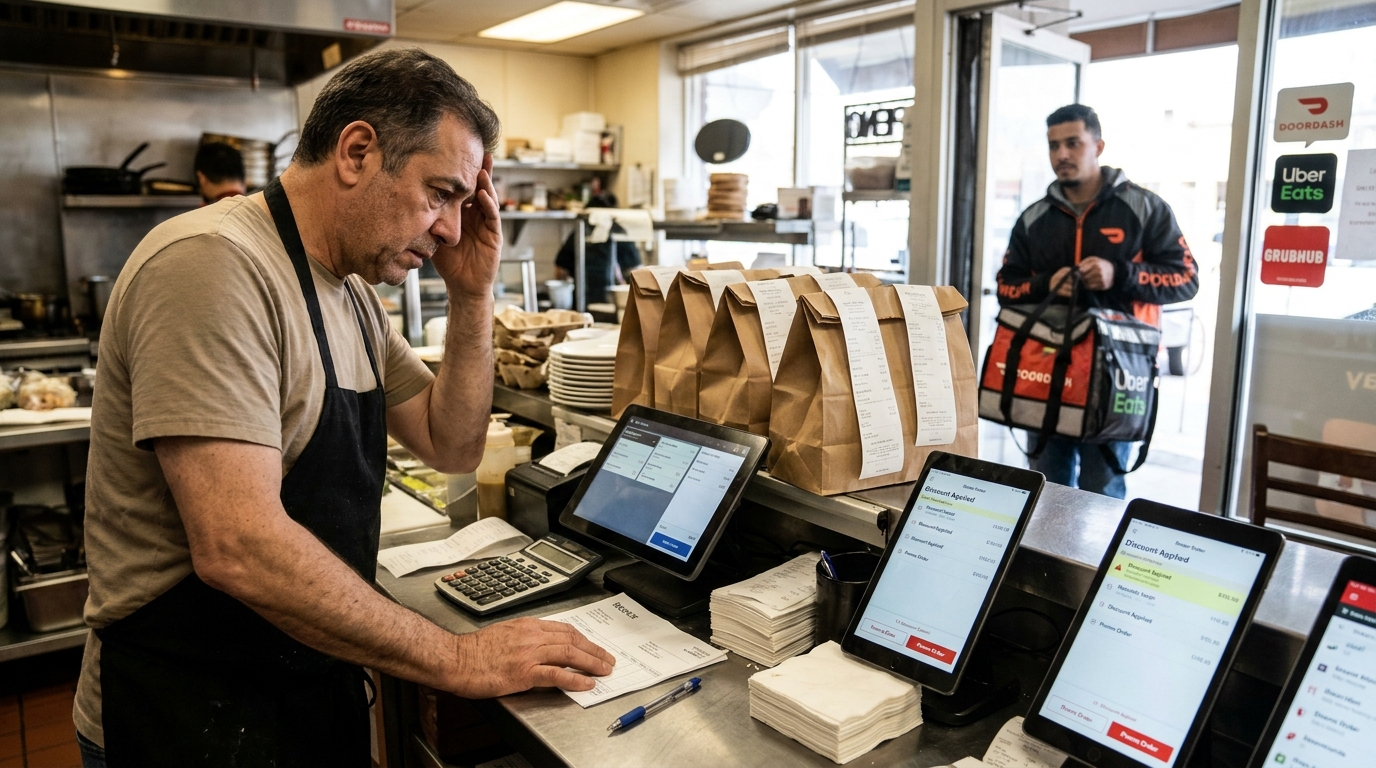
The structure of digital deals is shifting. While apps advertise small discounts to attract orders, the underlying economics often reveal a different reality. A core driver of this discrepancy is the difference between physical menu prices and those listed online. Restaurants frequently apply different pricing strategies across order channels to offset platform commission rates. This means a user might apply a digital coupon to a sandwich or combo that already features a higher base price than its physical counterpart.
Data from a Consumer Reports study highlights this pricing dynamic. In a review of 46 matching items across restaurant websites and third-party delivery platforms, 14 items carried a higher digital price tag. Only seven items were cheaper online, while the remaining 25 matched the physical menu. For market analysts, this demonstrates that base digital inflation can easily neutralize the value of an advertised discount.
Beyond base pricing, transaction structures further alter the final checkout value. Many promotions require a minimum order size before the discount applies. A user looking to spend a lower amount may add unnecessary items just to trigger the deal. Similarly, exclusive digital bundles might package items together. This creates a higher overall ticket than ordering a single main item at the counter. When combined with restrictions on locations or item sizes, these conditions protect restaurant margins but raise the actual cost for the user.
The addition of fulfillment charges creates another layer of complexity for pricing analysts. Apps routinely apply service fees, small-order penalties, and delivery charges. An FTC review highlighted findings where consumers paid almost 80 percent more on average for delivery compared to picking up the same meal. Even with a subtotal discount, the combination of delivery charges and inflated base prices often makes the digital transaction more expensive. Loyalty point offers add further nuance. They demand future purchases rather than providing immediate cart relief.
Tracking Digital Pricing Strategies in Food Delivery
Understanding the true cost of digital ordering requires visibility into both item-level pricing and platform fee structures. Restaurant chains and delivery operators need accurate market data to benchmark their offers against competitors. Platforms must identify where high base prices or excessive fees might deter users. By leveraging Menu Markup Monitoring, operators can track item-level price inflation and ensure competitive positioning. Consistent market monitoring allows brands to optimize their promotional strategies without sacrificing volume.
If your team needs clear visibility into competitor pricing dynamics, contact the FoodDataLab team today.
SourceThe Restaurant App Deal That Could Cost More Than Ordering At The Counter (opens in a new tab)