For twenty years, Olo operated behind the scenes to manage digital payments and orders for food brands like Five Guys and Panda Express. Following its 2025 acquisition by Thoma Bravo, the software firm is now stepping directly into consumer territory. Chief Executive Officer Noah Glass recently introduced an application that unites around 800 restaurant chains into a single digital marketplace.
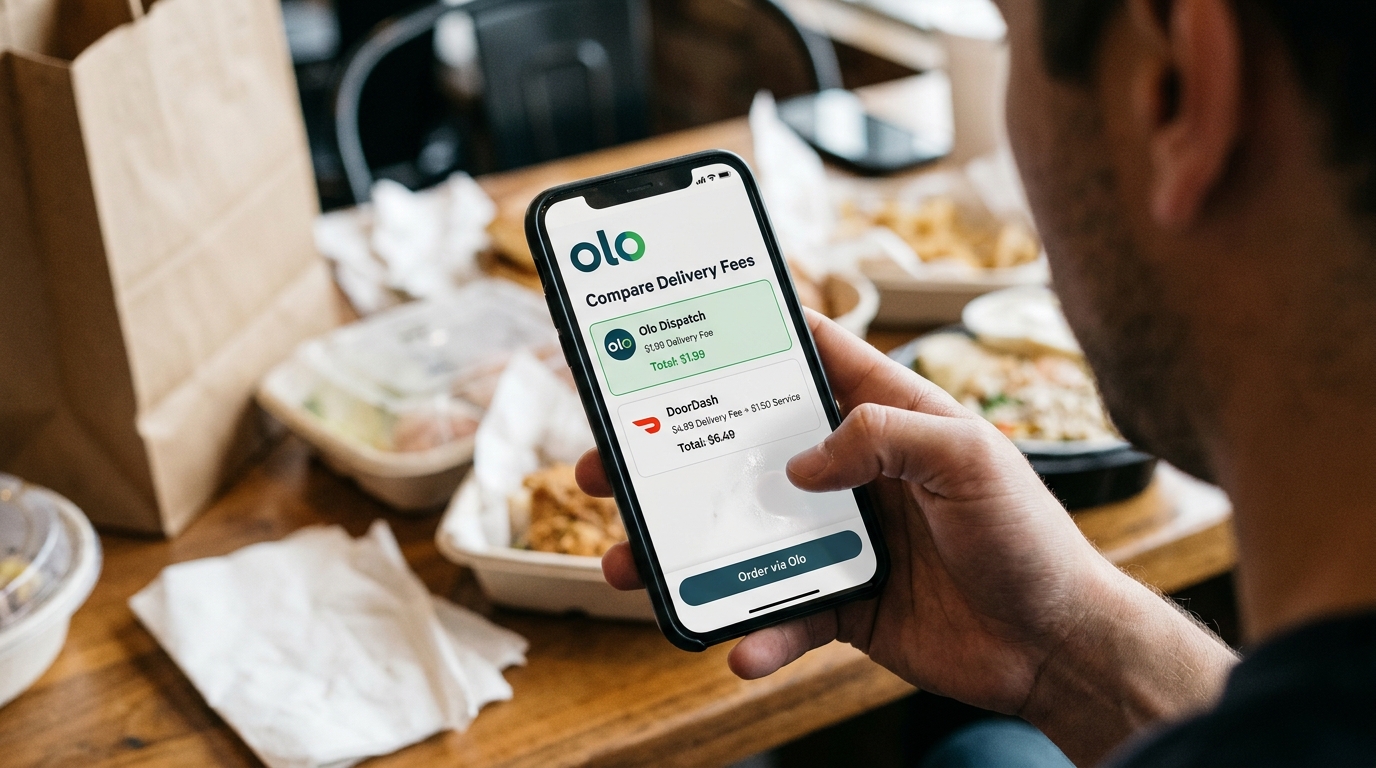
Instead of building an independent courier fleet, the platform plugs into 27 existing logistics networks. This list includes industry leaders such as Grubhub, Uber and DoorDash. When a user requests a meal, the system automatically checks driver availability and courier charges across these various platforms. It then routes the transaction through the most economical option available at that precise moment.
The primary value proposition focuses on eliminating the standard digital premiums that platforms usually apply to items. Olo states that offering in-store pricing on its interface can reduce customer bills by 15% to 30%. Glass noted that rising inflation is already forcing diners to rely on value promotions at fast-food chains like McDonald's. By removing hidden menu premiums, the company hopes to capture budget-conscious consumers who already hold one of the 40 million active Olo profiles. Most of the 3.5 million daily transactions handled by Olo are currently takeout orders, presenting a large user base to convert to delivery.
Preparing for Automated Digital Commerce
The system is also building infrastructure to receive instructions from artificial intelligence agents. Glass anticipates a future surge in automated commerce where digital assistants evaluate platforms to find the optimal transaction value. In this scenario, maintaining the lowest total basket cost becomes critical for securing algorithmic purchases. This dynamic adds a new layer of complexity to an already crowded sector where entities like Walmart and DoorDash continue to expand their grocery and restaurant logistics capabilities.
Tracking Platform Pricing Dynamics
The introduction of an aggregator that actively hunts for the cheapest courier rate changes the competitive landscape. Logistics providers and food delivery platforms must now closely monitor their own public pricing structures. If artificial intelligence tools and new consumer interfaces consistently route volume to the lowest bidder, maintaining visibility into market rates becomes essential. Platforms can deploy Advertised Delivery & Service Fee Monitoring to track public delivery charges across markets and optimize their competitive pricing strategies.
Contact our team to explore how structured market data can strengthen your operational decisions: Talk to FoodDataLab.