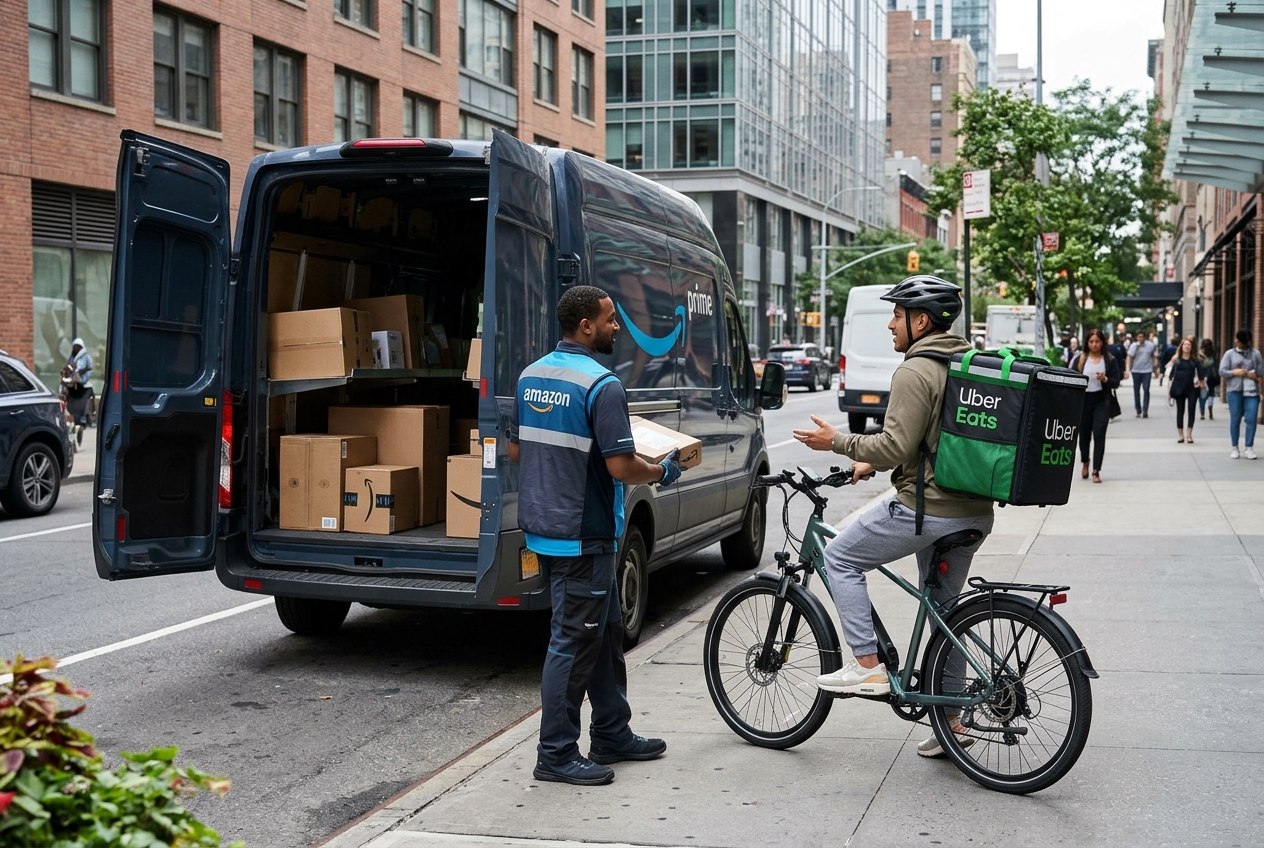
The arrangement activates as of early November 2026. Diners place their meal requests through an Uber Eats interface located directly inside the retail application. Short-term financial incentives aim to accelerate initial user adoption. Shoppers utilizing a specific branded Visa card collect a five percent return on their platform purchases until early December 2026. Furthermore, members have access to a pair of twenty-dollar promotional discounts valid through mid-November.
Assessing the Embedded Interface Strategy
Relying on a third-party software environment changes standard customer acquisition dynamics. While the waived delivery expense offers a clear financial benefit, early feedback indicates the embedded shopping experience feels less refined compared to the standalone application. Competitors should track whether this technical friction impacts long-term user retention once the aggressive introductory discounts expire. If the secondary application interface causes ordering delays, diners might revert to their primary preferred platforms.
Defending Local Order Volumes Against Retail Bundles
Food delivery operators face increasing pressure from interconnected retail subscriptions. Maintaining a profitable market position requires continuous visibility into public pricing structures across all rival networks. Utilizing Free Delivery Competitive Benchmarking gives platform managers the exact data needed to analyze competitor campaigns globally. Tracking these advertised total charges ensures your pricing team can deploy effective counter-offers without blindly sacrificing margins.
Contact our specialists to discuss securing your regional market share by visiting the FoodDataLab team.