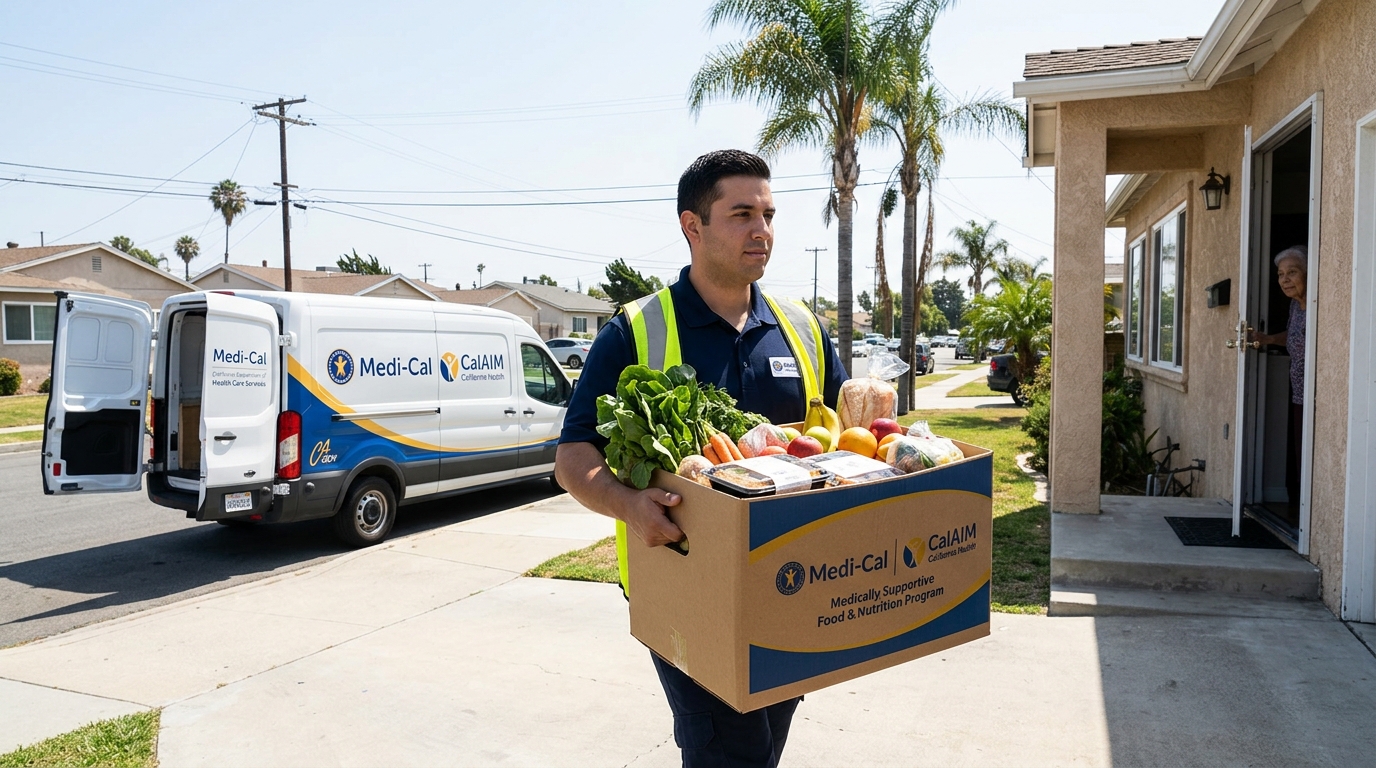
During the 2025 calendar year, more than 200,000 individuals utilized the state program to receive highly customized grocery boxes and prepared dishes. The initiative targets patients discharged from medical facilities or managing chronic ailments. Since its start in 2018, the state has facilitated food access for over half a million eligible residents. Rather than standard grocery drops, these distributions function as strict clinical interventions.
This model requires complex catalog engineering and precise last-mile execution. Providers such as Mom’s Meals currently charge around $7.99 for items like a vegetarian breakfast skillet or a beef chimichurri entree. Menus must adhere to rigorous guidelines, offering choices like low-sodium, gluten-free and diabetes-friendly selections. Health Net, just one participating managed care organization, recently processed 36 million dollars in claims for a cohort of 25,000 patients.
The financial metrics supporting the effort suggest long-term stability for contracted suppliers. Public health officials note that participants experience a 30 percent drop in hospital readmissions and a 14.2 percent decrease in emergency room visits. By keeping residents healthier, the state estimates a net savings of $60 per utilizing member. Consequently, the government executed over 1,000 separate vendor agreements between late 2024 and the third quarter of 2025.
Tracking Menu Compliance and Pricing Dynamics
Aggregators and grocery platforms aiming to secure similar government subsidies must precisely benchmark their specialized catalogs. Winning these contracts requires detailed visibility into the dietary attributes and pricing models of competing providers. By leveraging Dish-Level Menu Data, platforms can accurately evaluate rival offerings to ensure their own medically customized inventory remains highly competitive.
Discover how our intelligence tools can help your commercial teams map specialized vendor networks by reaching out via the FoodDataLab contact portal.
SourceState could spend millions on food for Medi-Cal recipients (opens in a new tab)