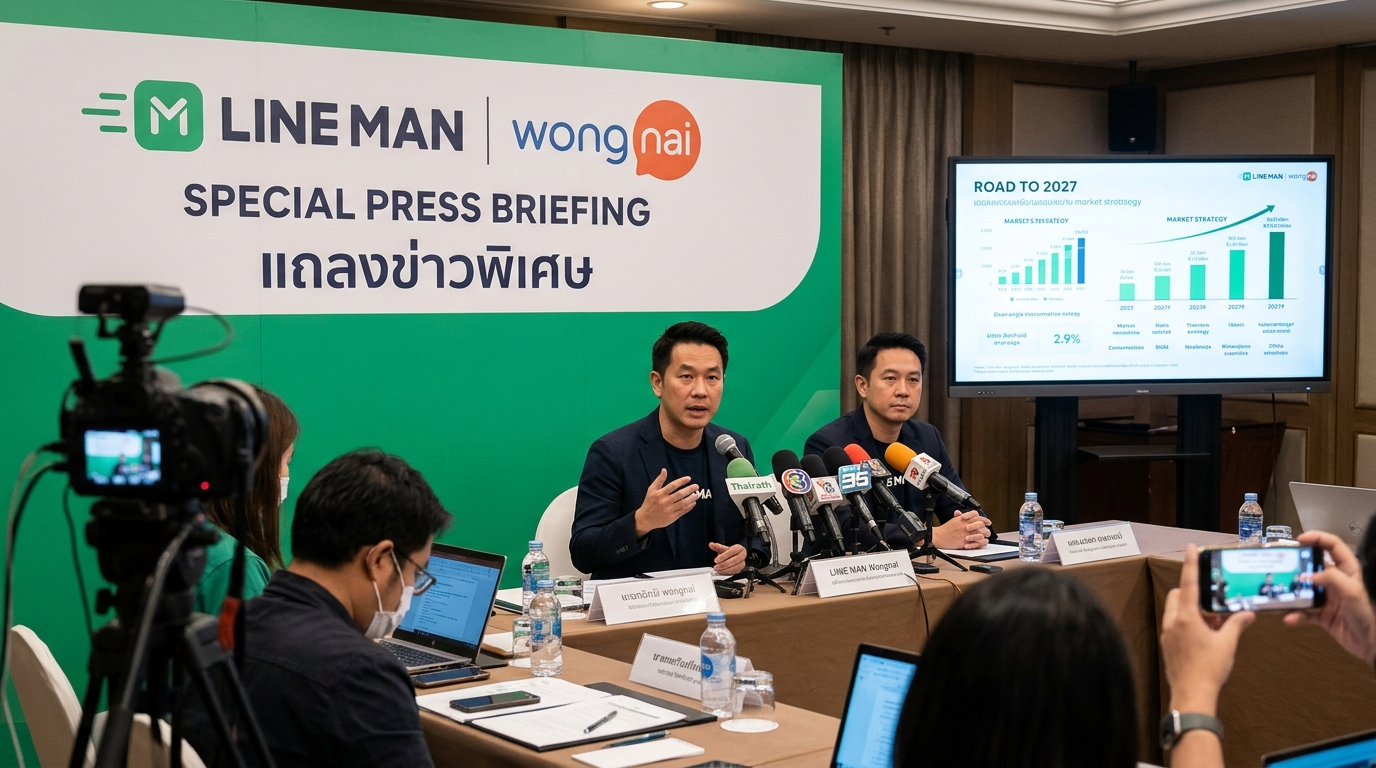
The Trade Competition Commission of Thailand (TCCT) drafted guidelines grouping meal logistics and ride-hailing into a single regulatory category. Yod Chinsupakul, chief executive of LINE MAN Wongnai, strongly disagrees with this unified framework. He pointed out that passenger transport relies on driver fares. In contrast, meal logistics depend heavily on restaurant commissions. Blending these sectors creates a flawed picture of market dominance and ignores the distinct revenue models involved. The company noted that the TCCT did not request specific operational metrics before releasing the proposal.
The most contested element is the requirement to clear any rate modification half a year in advance. According to Chinsupakul, a rigid timeline is completely incompatible with delivery unit economics. Daily variables like severe weather, shifting fuel costs, and macroeconomic trends dictate operating expenses. Networks need the freedom to tweak courier incentives and commercial charges in real time to cover these fluid costs. A blanket restriction prevents this agility and forces companies to absorb sudden financial hits.
This loss of flexibility creates problems for merchants and couriers as well. If an application is blocked from balancing its rates against rising expenses, it will likely reduce its geographic footprint. Unprofitable provinces could face reduced service availability. Promotional commission periods for trial merchants would also become highly risky. If order volumes miss projections and commercial terms are locked, continuing to support smaller vendors might become financially impossible.
Capital markets dislike regulatory ambiguity. The Thai tech leader warned that strict pricing constraints will discourage digital economy investments. Prospective backers are closely watching the situation as the platform prepares for a stock exchange debut. The leadership team admitted that these pending rules might force them to adjust the timeline for their 2027 initial public offering. They are urging regulators to evaluate anti-competitive actions on a case-by-case basis instead of imposing proactive bans.
Navigating Frozen Fee Structures
When regulatory bodies attempt to stall rate flexibility, market intelligence becomes the only way to safeguard margins. Companies must maintain clear visibility into competitor costs to justify their own commercial models. Utilizing advertised fees monitoring allows strategy teams to track public delivery charges and adapt operations within strict compliance limits.
To discover how our data pipelines can protect your market position, reach out to the FoodDataLab team.