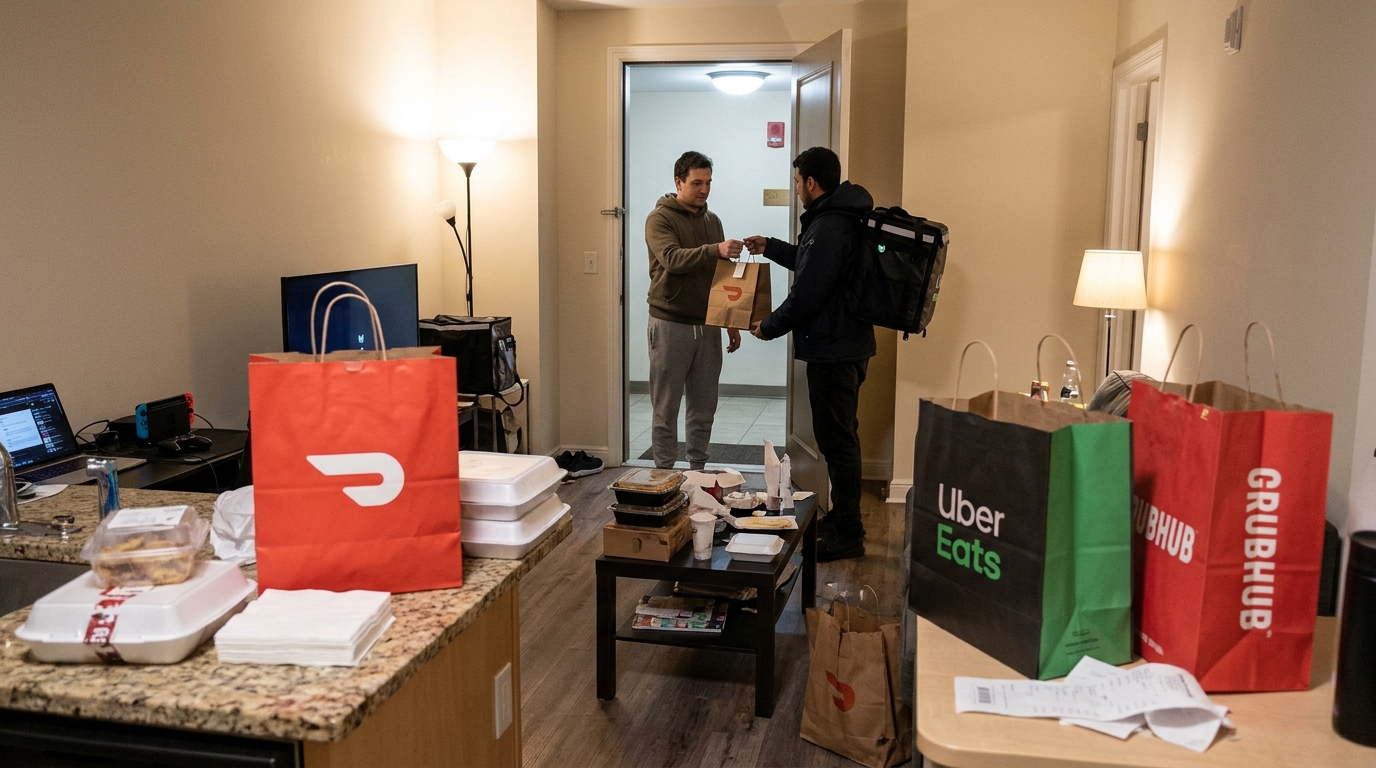
The latest Survey of Consumer Finances from the Federal Reserve highlights a distinct purchasing pattern across the delivery sector. The study surveyed 5,000 households in 2025. It found that the bottom 80 percent of respondents reported a median delivery spend of zero dollars. By contrast, the top ten percent of users drive massive transaction volumes. Buyers under 35 in this upper bracket spend $1,800 annually. Those between 35 and 44 spend $2,400 per year on average. This steady stream of high-ticket orders insulates apps like Uber Eats and DoorDash from the macroeconomic pressures affecting stores like Dollar General and Walmart.
Platform operators recognize that retaining this core demographic is critical. To secure loyalty, delivery giants are rapidly altering their marketplace catalogs. A spokesperson for DoorDash noted that the company is integrating more grocery chains and retail brands into its interface. Expanding the assortment beyond restaurant meals gives these affluent buyers more reasons to open the app daily. Consequently, executives must monitor how competitors adjust their merchant categories to capture a larger share of wallet from these frequent buyers.
Tracking Loyalty Triggers Across Rival Apps
When the vast majority of consumer accounts order rarely or never, winning market share means pulling active heavy buyers from competing networks. According to university economist Jeremy Horpedahl, capturing just one percent of a rival platform's top tier could yield substantial financial gains. To achieve this, market intelligence teams must observe the specific incentives keeping these buyers engaged.
Platforms heavily promote premium tiers like DashPass to discourage switching. By utilizing Subscription Program Restaurant Tracking, intelligence teams can map which prime venues are included in competitor loyalty tiers and adjust their own acquisition targets accordingly. Spotting gaps in a rival's subscription offerings allows platforms and large restaurant chains to target specific neighborhoods where heavy users might be underserved.
To learn how our market intelligence tools can help your team monitor competitor catalogs and secure high-value users, contact our team at FoodDataLab Contact.