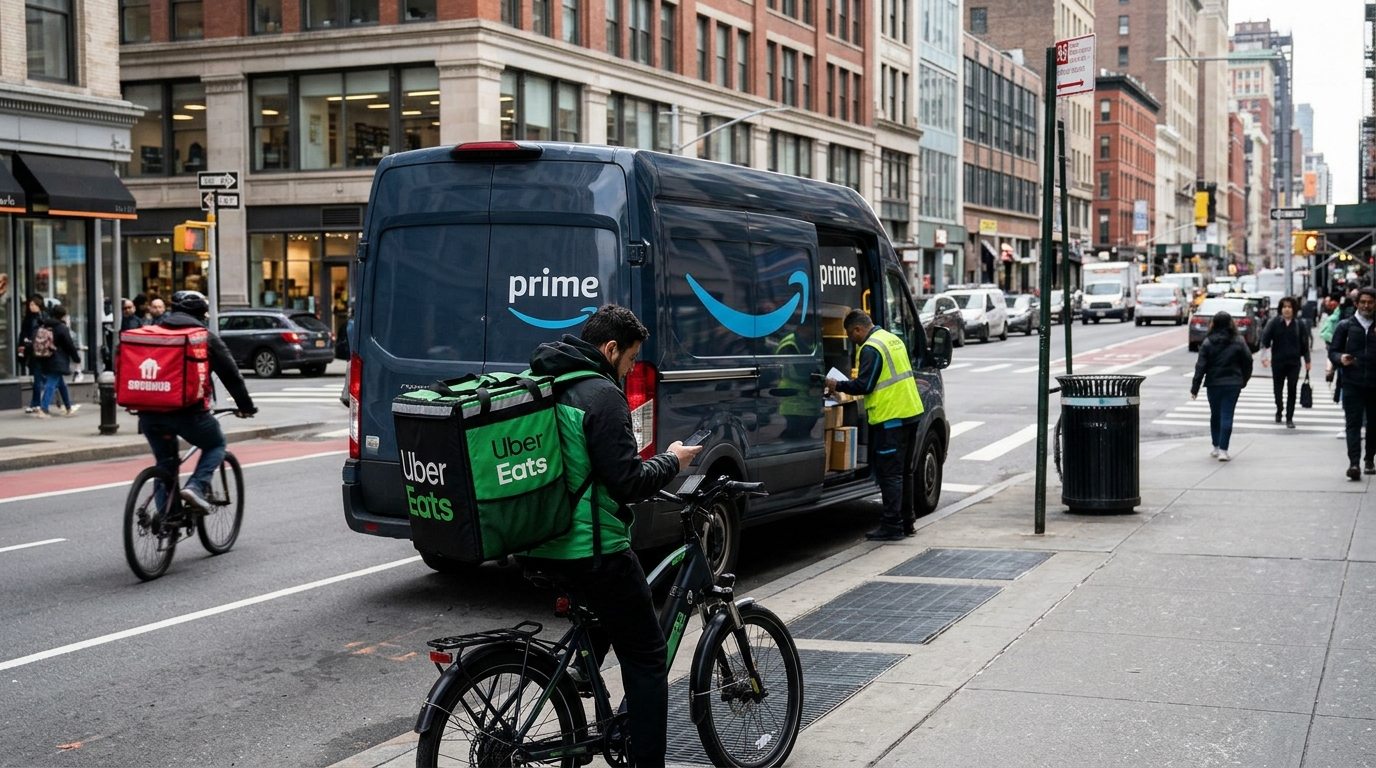
The Seattle retail giant confirmed this operational change earlier in the month. Shoppers paying the 139 dollar annual fee or 14.99 dollars monthly for Prime can now browse hundreds of thousands of local venues. They will place these orders directly inside the main retail application or website. To drive early adoption, eligible users receive a 20 dollar discount on their first two qualifying transactions during the initial 14 days of launch.
Uber executive Andrew Macdonald noted the joint effort aims to make ordering meals as natural and affordable as buying standard retail goods. This transition reflects a broader trend of ecosystem bundling in 2026. Other major players are also merging their logistics networks to capture a larger audience. DoorDash recently proposed a 17 billion dollar acquisition of Instacart to blend grocery and restaurant routing. Meanwhile, ride-sharing brand Lyft introduced a joint membership with DoorDash priced at 9.99 dollars a month.
Retailers with massive physical footprints are also entering the fray. Walmart recently built a platform featuring 2,400 tenant restaurant locations across its real estate portfolio. Fast food chains like Subway, Papa Johns, and Dunkin participate in this expanding network. According to Greg Cathey at Walmart, 65 percent of these meal transactions currently include separate retail items from the store.
Monitoring Venue Shifts Across Corporate Alliances
When a massive subscriber base switches third-party platforms, venue operators must rethink their digital strategy. A sudden influx of zero-fee orders can strain operations or heavily favor brands listed on the preferred app. Market intelligence teams need to monitor which local operators join or leave these bundled ecosystems. Using subscription program restaurant tracking helps leaders see which venues are gaining visibility through these new corporate partnerships.
Please contact the FoodDataLab team to discuss how our intelligence feeds can support your growth initiatives.