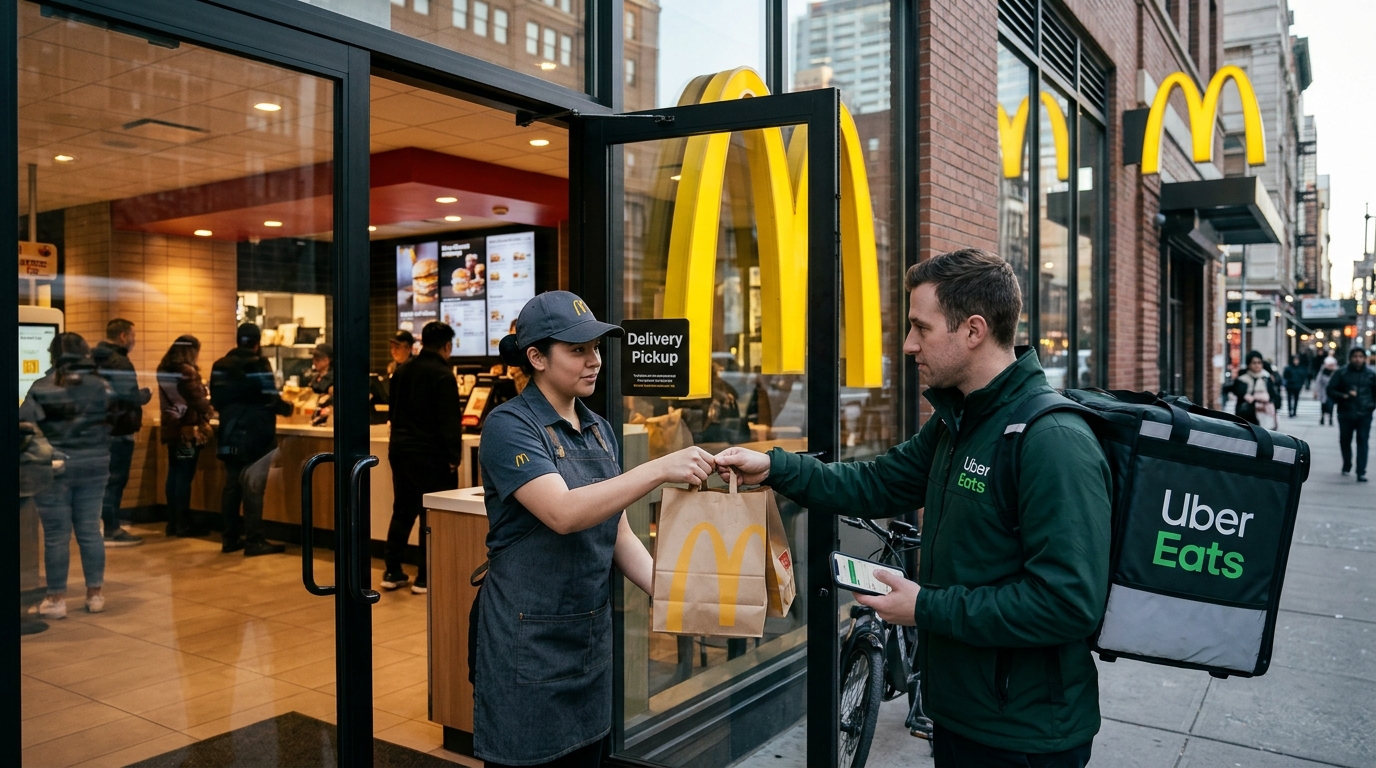
Until recently, the restaurant chain distributed dispatch requests between both aggregators based on customer geography. The new arrangement grants Uber primary status across territories such as Australia, Belgium, Canada, France, Germany, the U.K. and the U.S. While users can still browse and purchase from the brand directly via the DoorDash marketplace, native software transactions will now route through the Uber ecosystem.
Securing access to an established user base of over 45 million American loyalty program members alters the logistics landscape. Media reports indicate the multiyear agreement might introduce cross-platform benefits. Diners could potentially convert restaurant points into subsidized transportation fares or accumulate fast food credits through other Uber application tools.
Monitoring Local Volume Migration
Aggregator executives and rival quick service operators must observe how this preferred vendor status alters local dispatch densities. Understanding geographical volume shifts requires precise market share benchmarking tools to measure aggregator market penetration accurately. Platform leaders need visibility into fulfillment performance metrics as massive transaction quantities migrate between competing networks.
To track how exclusive fulfillment deals impact regional delivery volumes, contact the FoodDataLab team today.
SourceYour Next McDonald's App Delivery Won't Come From DoorDash | Sporked (opens in a new tab)