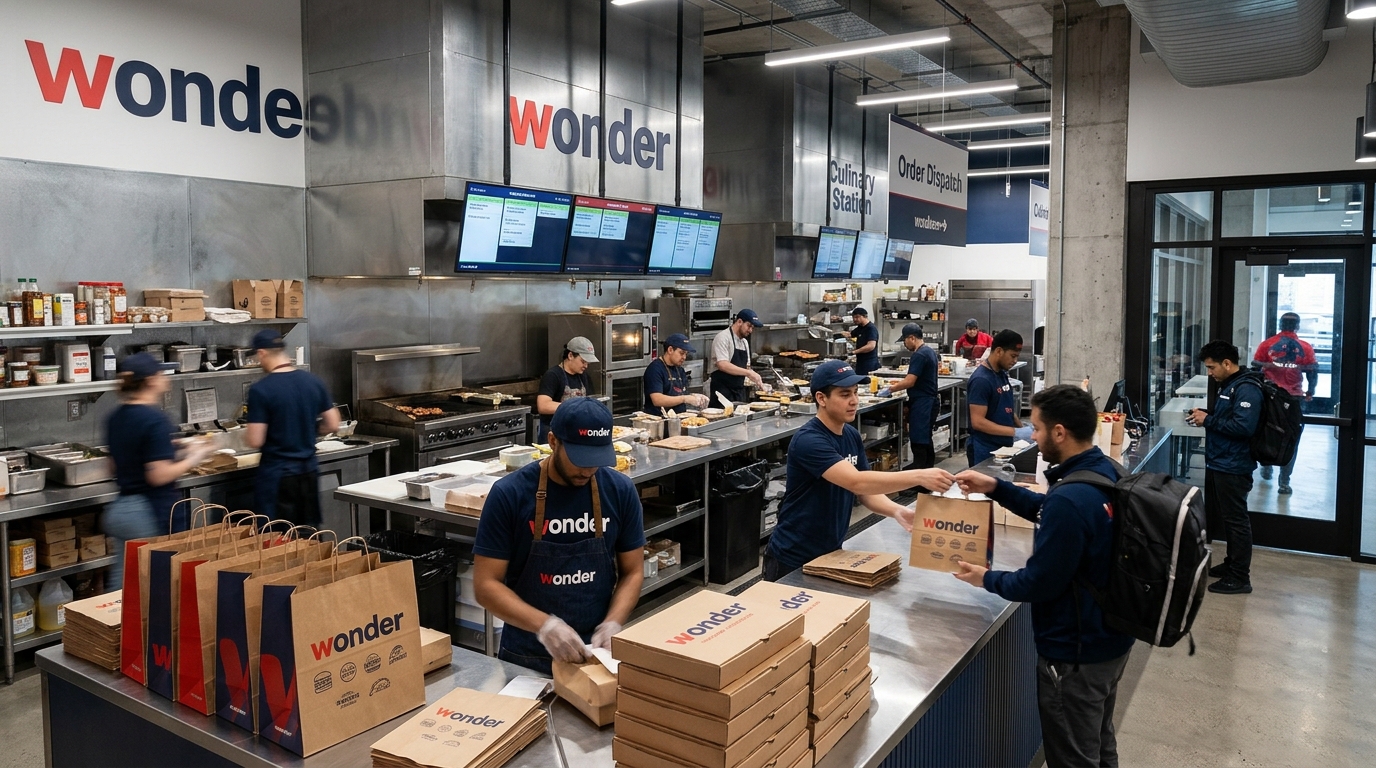
Unlike traditional restaurant incubators, this facility relies heavily on standardized hardware rather than specialized culinary teams. Staff members execute recipes designed by celebrity chefs using hot water baths, rapid-cook ovens and friers. This automated workflow enables the brand to rely on lightly trained labor rather than expensive culinary professionals. The Brookline site functions primarily as a digital fulfillment center, prioritizing courier dispatch over traditional dine-in service.
This operational structure creates a unique user experience on digital platforms. Customers can order barbecue, pizza and poke simultaneously without paying separate courier fees. By purchasing Grubhub in 2025, the parent business integrated an extensive distribution network. Users can still browse independent neighborhood eateries through the unified application. However, batched ordering remains exclusive to the proprietary brands cooked inside the automated facility.
Mapping Consolidated Operator Networks
A single physical storefront launching over 20 digital listings creates analytical challenges for competing quick-service chains. These centralized hubs project massive digital density across delivery applications. Market intelligence teams must look beyond storefront names to understand actual neighborhood saturation. Identifying which menus share identical addresses reveals the true structure of local food commerce.
To accurately assess regional threats, strategy teams need visibility into these consolidated operations. Applying ghost kitchen and virtual brand tracking exposes hidden ownership structures and helps platforms prioritize high-value venue partnerships.
Schedule a consultation with our market intelligence experts to improve your competitive monitoring: Talk to FoodDataLab.