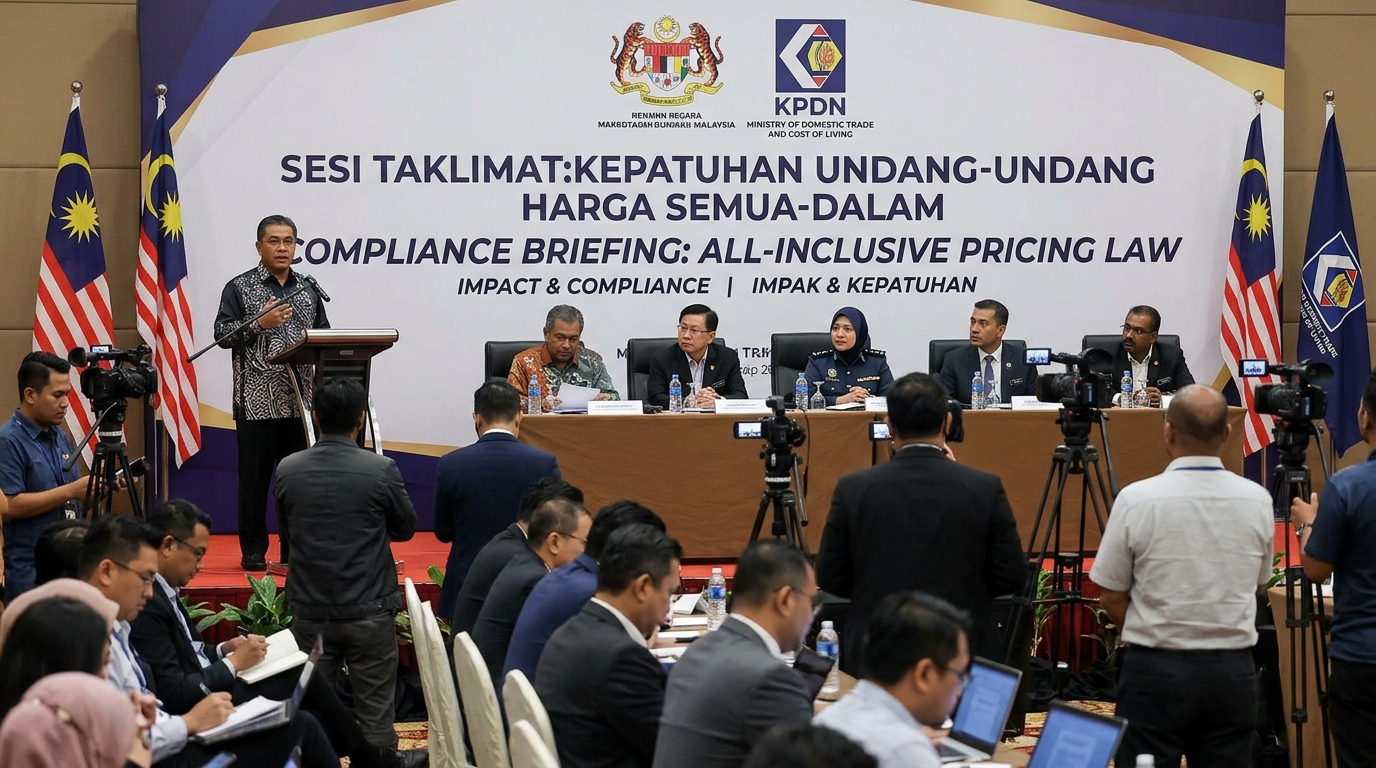
Minister Armizan Ali from the Domestic Trade and Cost of Living Ministry clarified that current industry practices breach the Price Control and Anti-Profiteering Act of 2011. Commencing in January 2027, companies must present a fully loaded cost from the moment a diner views an item. Regulators processed 64 violations related to pricing display rules between 2023 and 2026. Corporate entities ignoring these directives risk financial penalties reaching RM100,000 per violation, while individuals face fines up to RM50,000 or imprisonment.
This policy alters how aggregators compete for regional market share. Consumers frequently select restaurants based on seemingly lower initial item values. That dynamic creates an uneven playing field when certain operators conceal their actual charges until the final order confirmation. Moving forward, the baseline figure displayed on digital storefronts must account for every additional mandatory levy.
Delivery firms will need to restructure their backend systems to calculate taxes and mandatory service costs upstream. Monitoring competitor adjustments will be vital during this transition. Using Advertised Fee Breakdown and Structure Analysis enables teams to track public delivery charges across markets and optimize their competitive pricing strategy.
Preparing for the 2027 Enforcement Cycle
The upcoming transition window provides operators time to redesign their applications and audit local merchant catalogs. Market intelligence is critical to verify that owned platforms and industry rivals present accurate figures to consumers. Businesses that fail to monitor these structural market shifts will likely struggle to maintain user conversion rates when the new rules activate.
Contact the FoodDataLab team to discuss how our market intelligence solutions can support your regional operations: https://fooddatalab.com/contact