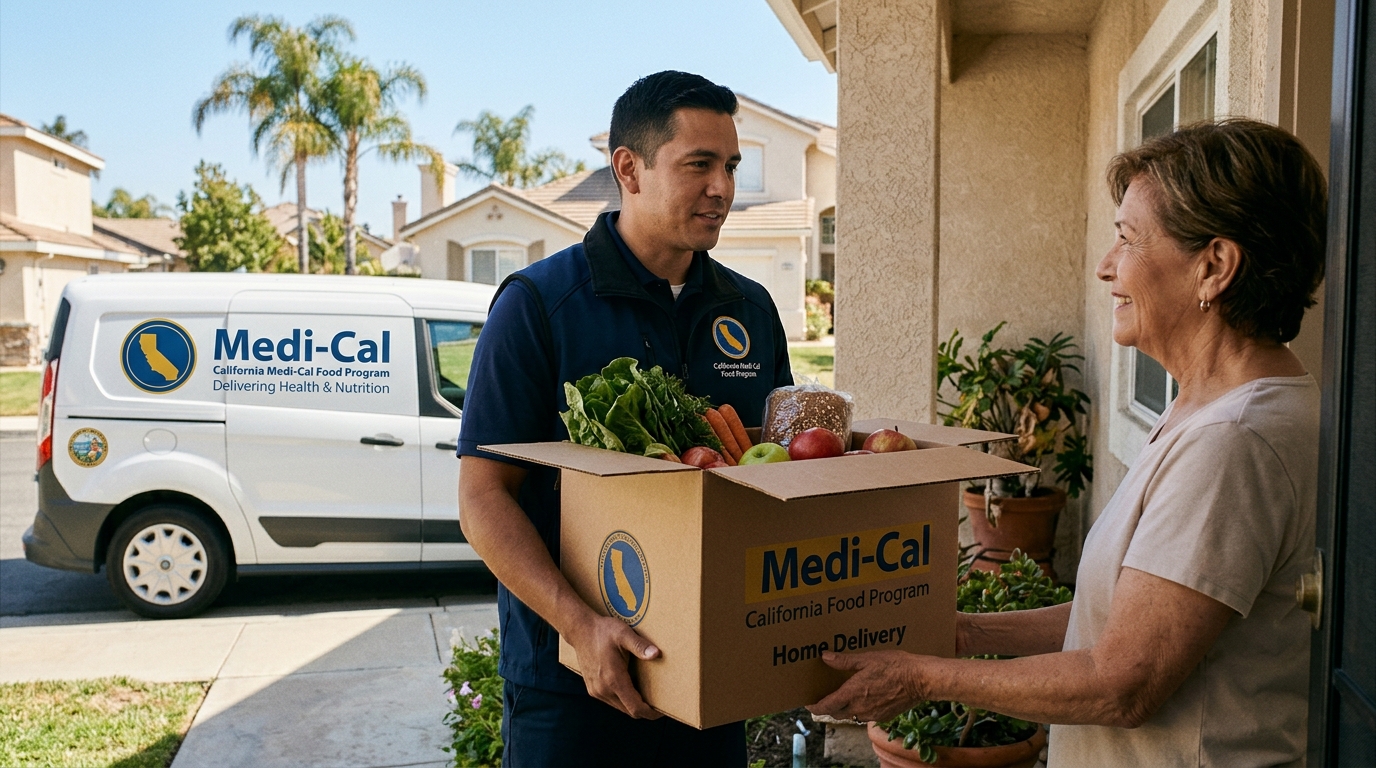
State officials are routing public funds toward dietary interventions for vulnerable populations. Through an effort launched in 2018, California provides specialized food packages to eligible participants managing chronic illnesses. More than 500,000 individuals have utilized this service to date. By the third quarter of 2025, over 156,000 patients were receiving active distributions. This volume makes nutritional support the most heavily accessed service within the current public health overhaul. Products provided include raw fruits, vegetables and frozen plant-based dishes.
Private health networks manage these vendor agreements directly. Health Net reported 36 million dollars in paid claims tied to just 25,000 participants. Direct-to-consumer vendors supply the actual items. One contractor charges between 7.99 and 8.49 dollars per unit for specialized options like low-sodium or gluten-free dinners. If a block of 25,000 users received two daily boxes over a full year, the baseline cost would reach 134.2 million dollars. Despite this expense, officials note that the intervention reduces emergency room visits by 14.2 percent. The state claims an ultimate savings of 60 dollars per participant.
Monitoring Institutional Fulfillment Operators
Standard restaurant aggregators and quick commerce players must pay attention to these B2B models. These specialized vendors capture daily eating occasions without relying on standard retail channels. Market intelligence teams should deploy new market entrant tracking to identify when and where these institutional networks activate. Spotting these contractors early helps established platforms evaluate potential B2B partnerships or defend local order volume against alternative supply chains.
Discuss these emerging logistics patterns with our analysts to protect your strategic position. Contact the FoodDataLab team to schedule a platform data review.
SourceState could spend millions on food for Medi-Cal recipients (opens in a new tab)