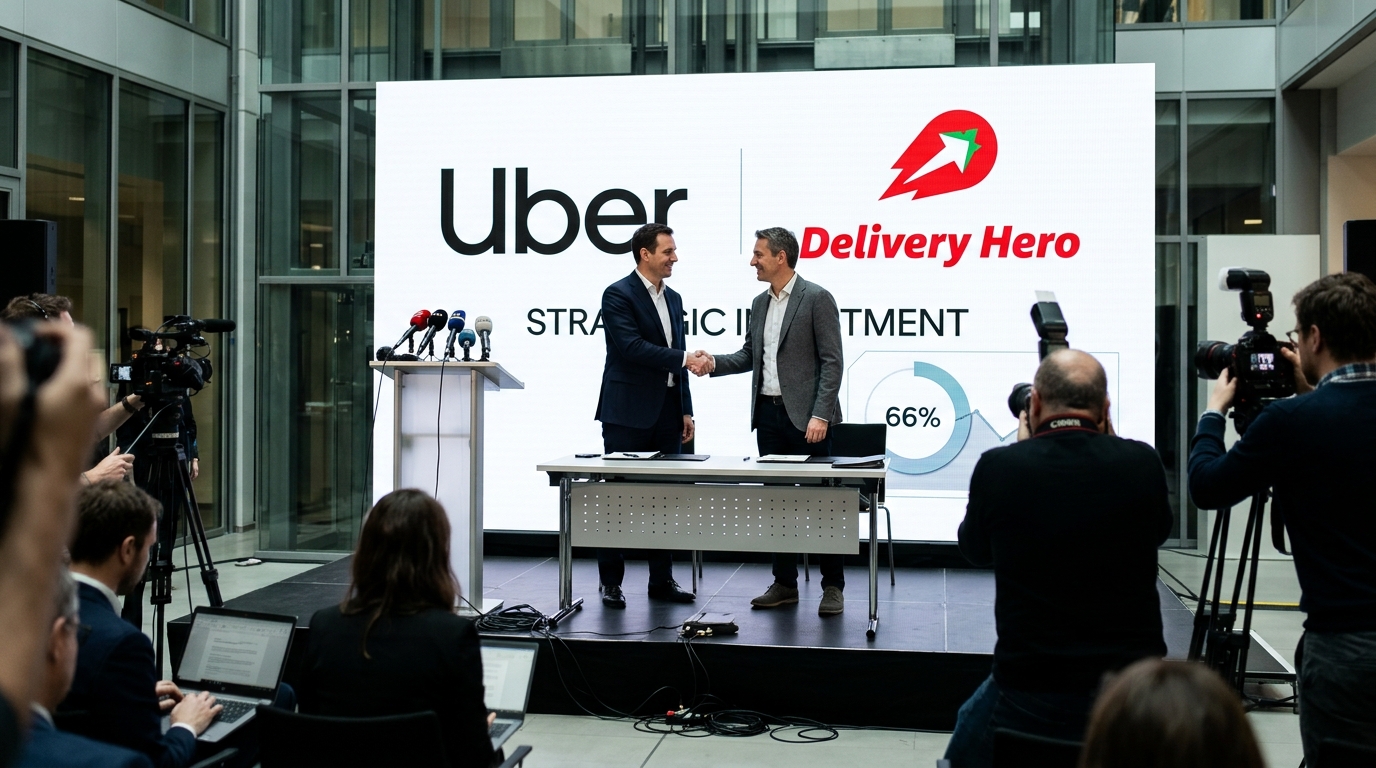
The initial acceptance window finished on November 5. This transaction provides Uber with nearly two-thirds ownership of the Berlin-based organization. Outstanding investors have a final opportunity to trade their stock for €41.50 per unit until November 24. Executive teams expect this deal to conclude during the final six months of 2027, assuming regulators provide clearance.
Delivery Hero previously divested its domestic German operations to Just Eat Takeaway. However, the firm still commands massive marketplace influence throughout Southern Europe, Asia, Africa, and the Arabian Peninsula. Regional subsidiaries like Foodora will likely experience gradual operational changes. Competing platforms must observe how these regional entities modify service fees and partner commissions over the coming quarters.
Detecting Early Network Adjustments
When massive delivery networks merge their operations, the first visible changes emerge within app algorithms and service areas. Operators might restrict delivery zones or alter the visibility of specific restaurant partners. Tracking these subtle adjustments helps independent platforms protect their active user base. It also allows large hospitality groups to verify if their contractual visibility remains intact during the transition.
Upgrading Your Intelligence Framework
Executives cannot rely solely on post-merger corporate announcements to understand the new competitive environment. Proactive teams utilize competitor tracking to measure daily fluctuations in rival restaurant coverage and operational strategies. Building a systematic intelligence pipeline ensures your business adapts before the final regulatory approvals take effect.
To discuss building an automated intelligence pipeline for your specific markets, reach out to our team via the FoodDataLab contact form.
SourceUber secures two-thirds stake in Germany's Delivery Hero (opens in a new tab)