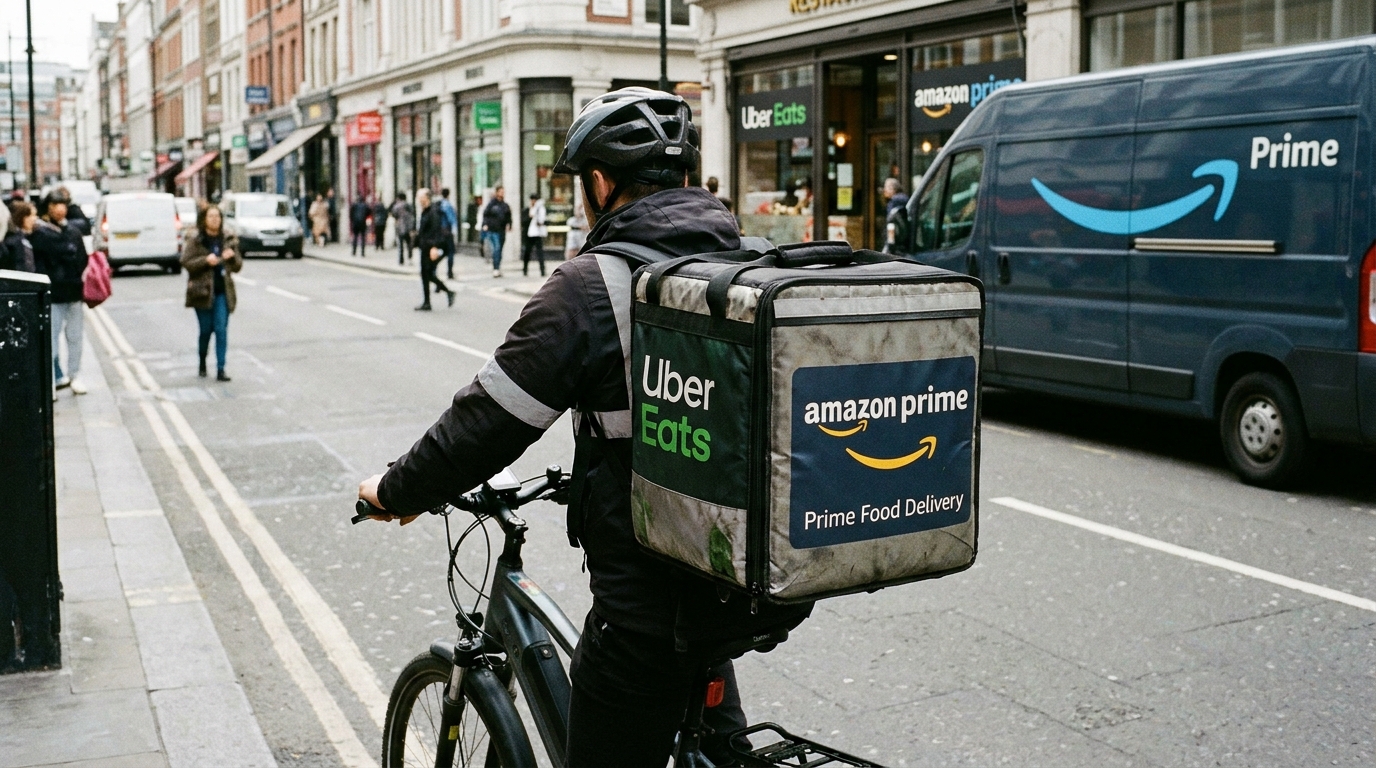
The US food delivery sector is undergoing rapid ecosystem consolidation. By linking Prime subscriptions to Uber Eats, Amazon provides an immediate incentive for high-frequency diners who are increasingly cautious about checkout costs. For industry leaders across grocery and restaurant chains, this structural change signals that standalone app loyalty is no longer enough to secure order volume.
Competing networks are building defensive alliances to protect their revenue targets. DoorDash estimates reaching nearly $28.0 billion in revenue and $3.8 billion in earnings by 2029. To sustain this financial trajectory and defend its near-term gross profit progress, the platform must retain its core user base against subsidized rivals. The latest market response involves linking mobility and food delivery without operating a proprietary rideshare fleet.
Mobility Tie-Ups and Margin Risks
Lyft introduced a subscription tier that directly feeds into the DoorDash ecosystem. For a monthly fee of $9.99, Lyft Go members receive DashPass delivery advantages alongside an 8 percent credit on transit. These earned credits apply across both rides and restaurant orders. While this mechanism creates a sticky customer funnel, it also introduces significant challenges for profitability.
Platform executives must manage these cross-platform benefits carefully. Aggressive discounts can elevate promotional churn and erode unit economics. The greatest risk involves regulatory changes and compliance costs intersecting with a consumer base that now expects heavy subsidies for every transaction.
Measuring Subsidized Tier Coverage
As rival platforms deploy large-scale subsidies, executives need clear visibility into local venue participation. Understanding prime market coverage helps commercial teams defend regional share against zero-fee offers. Intelligence teams can leverage Subscription Program Restaurant Tracking to monitor competitor loyalty networks globally. Recognizing these localized promotional shifts early allows operations teams to adjust their own marketplace incentives profitably.
Connect with our intelligence specialists to see how these ecosystem partnerships alter the competitive landscape in your key markets: Talk to FoodDataLab.