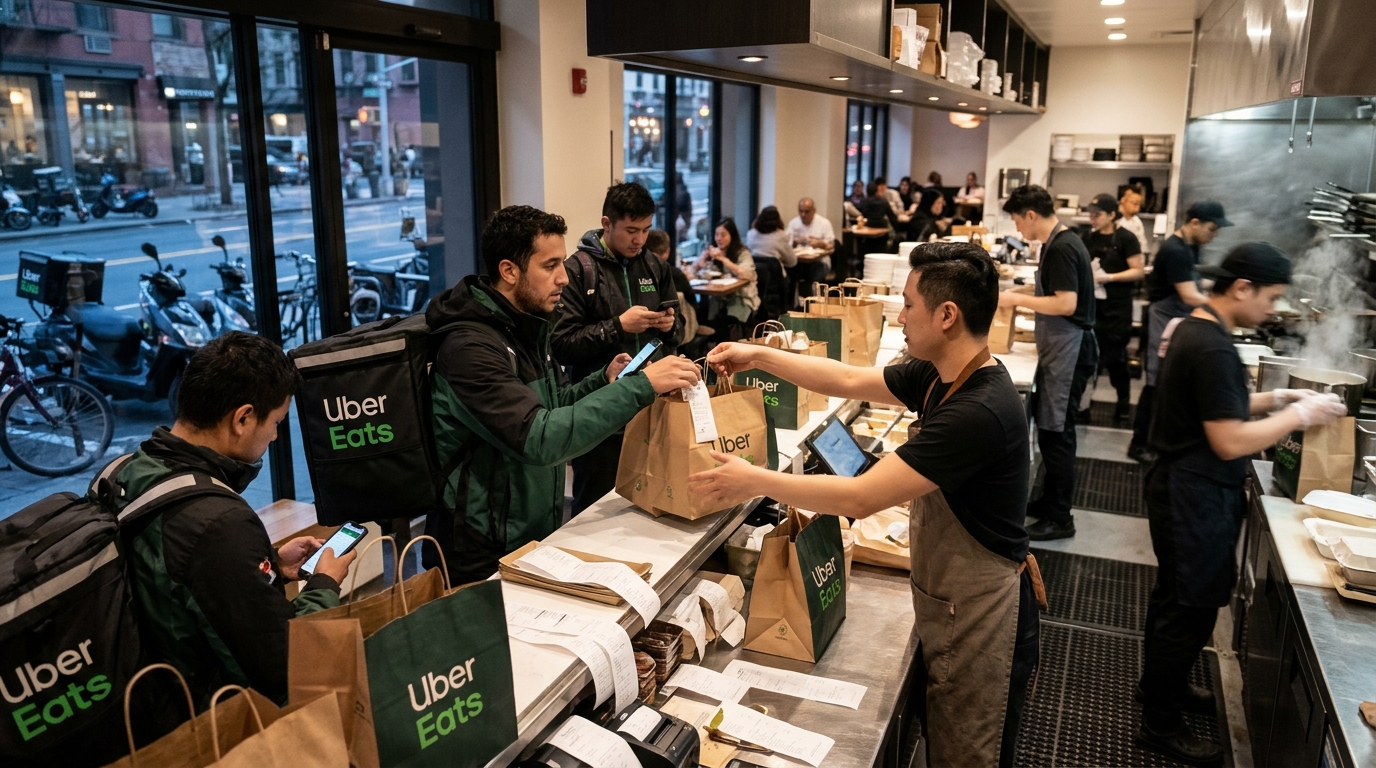
Uber posted gross bookings of $59.8 billion for the third quarter, representing a 20 percent increase compared to the previous year. The results reveal a clear divergence between its core business units. Delivery operations generated $28.5 billion, while ride-hailing revenue dropped 2 percent to $7.52 billion. Management attributed the mobility slowdown to elevated fuel costs and driver shortages across several international regions. The Middle East conflict also reduced third-quarter mobility bookings by 75 basis points.
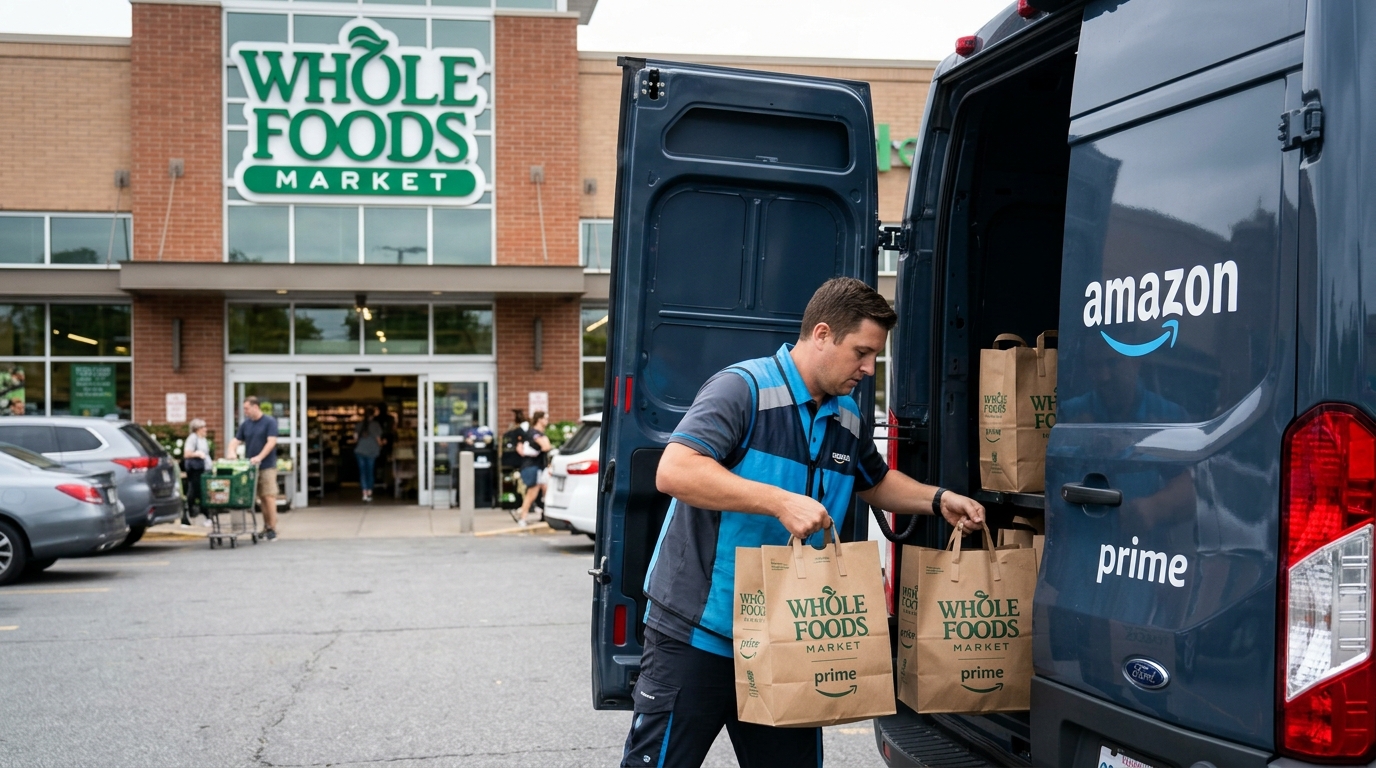
The grocery and retail segment is emerging as a critical battleground. Chief Executive Officer Dara Khosrowshahi confirmed this division reached a $15 billion annual run rate, growing 40 percent year over year. Rival platforms are aggressively responding to this threat. DoorDash recently announced an agreement to purchase Instacart parent Maplebear for $65 per share. This transaction remains subject to regulatory review and is expected to close in late 2027 or the first half of 2028.
Tracking Regional Service Dynamics
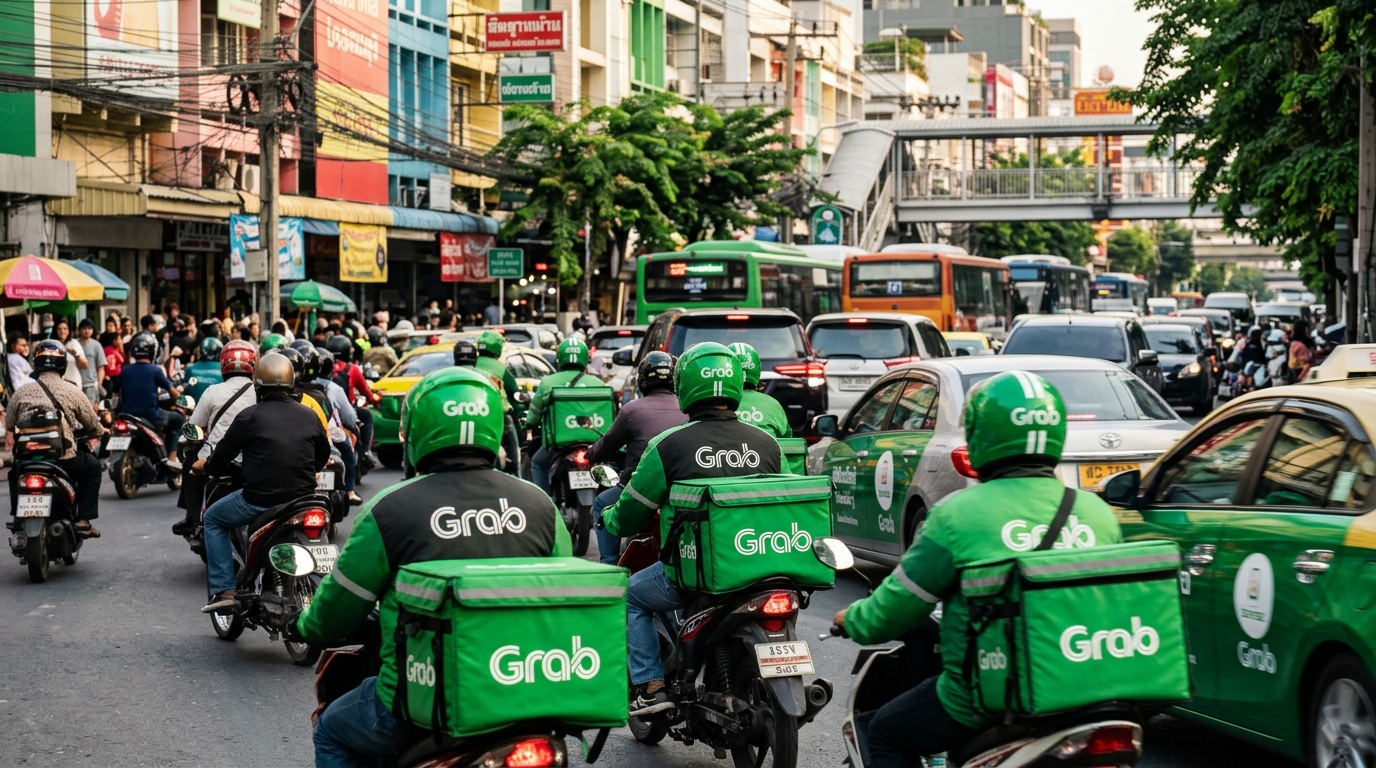
Other market participants experienced stock fluctuations following the Uber report. Lyft shares increased 11 percent, while Grab Holdings climbed 6 percent after raising its 2026 revenue forecast to between $4.15 billion and $4.20 billion. Beyond immediate financial metrics, platform leaders are watching automated delivery infrastructure. Uber plans to deploy 700 autonomous vehicles by the end of 2026, aiming for more than 2,000 by 2027. However, potential disruptions to its partnership with Waymo could complicate this timeline.
Adapting to Aggregator Expansion
The rapid convergence of restaurant meals, grocery logistics and retail fulfillment requires precise market intelligence. Relying on high-level quarterly earnings is no longer sufficient for category managers and strategy directors. To defend market share, organizations must execute continuous competitor tracking to map rival merchant coverage and pricing updates. Decision-makers who understand exact neighborhood-level operations can deploy targeted promotions and secure exclusive vendor agreements before competitors establish dominance.
Discover how granular intelligence can protect your market position by speaking with our specialists at FoodDataLab Contact.